Compare Local Contractors for Reliable Pool Leak Detection Services
Compare local contractors for pool leak detection to define scope, verify experience, and set clear expectations for a reliable, effective service.
Pool leak detection services typically involve identifying the source of water loss within a swimming pool system. This process can include a range of methods such as visual inspections, pressure testing, dye testing, and specialized equipment to locate leaks in the pool shell, plumbing lines, or fittings. Understanding the scope of work is essential to ensure that all potential leak points are thoroughly examined and that the detection process addresses the specific characteristics of the pool and its components. Clear communication about what the service covers helps property owners set accurate expectations and avoid misunderstandings about the extent of the investigation.
Defining the scope of a leak detection project is a critical step in working with contractors. Different pools and systems may require various techniques or levels of investigation, and outlining these details in writing can help prevent surprises. Property owners should inquire about what methods will be used, what areas will be inspected, and whether additional testing might be necessary if the initial assessment does not locate the leak. Having these details documented ensures that both parties agree on the work to be performed and provides a reference point should questions or concerns arise later in the process.
When comparing local contractors for pool leak detection, property owners should consider factors such as experience with similar systems, the range of services offered, and the clarity of communication. Verifying that service providers understand the specific needs of the pool and can explain their approach in straightforward terms can help ensure a smooth process. It is also beneficial to review how contractors outline their scope of work and what is included in their services. By gathering information about their methods, experience, and communication practices, property owners can make informed decisions and select a service provider best suited to address their pool leak concerns effectively.
Compare local contractors by outlining your leak detection priorities, verifying their experience, and setting clear expectations in writing.
- Compare Contractors - Review multiple local service providers to find the best match for your pool leak detection needs.
- Define Scope - Clearly outline the work to be performed to ensure all parties understand the required services.
- Verify Experience - Check the background and expertise of local contractors to ensure they are qualified for leak detection.
- Set Expectations in Writing - Document the scope, procedures, and responsibilities to avoid misunderstandings during the project.
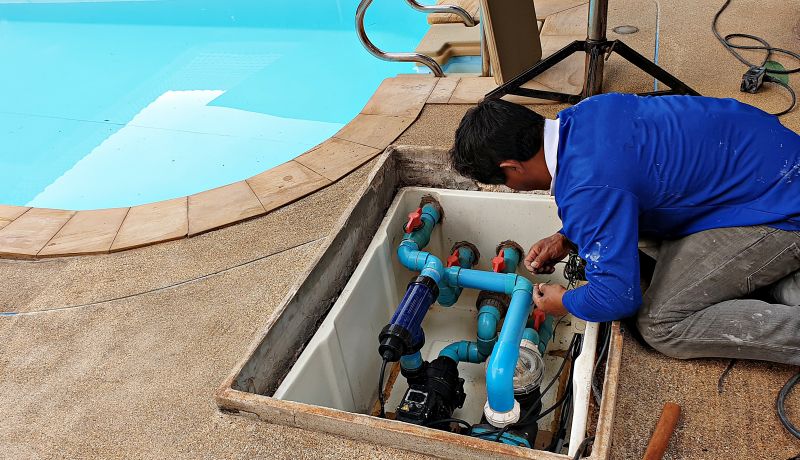
Clearly describe your pool leak detection project to effectively compare local contractors, verify experience, and set expectations in writing.
- Verify the experience and expertise of local contractors in pool leak detection services. - Ensure that service providers clearly define the scope of work and the methods they will use to identify leaks.
- Compare the approaches and techniques offered by different local contractors to find the most suitable method for your pool. - Request written descriptions of the leak detection process to set clear expectations.
- Check for references or reviews that speak to the accuracy and reliability of the contractors’ leak detection services. - Confirm that the scope of work and responsibilities are documented in writing before work begins.
- Assess the transparency of the contractors regarding their inspection procedures and any potential follow-up steps. - Make sure the service providers are willing to explain their findings and recommendations in detail.
- Ensure that the contractors have a clear plan for addressing identified leaks, including repair options if applicable. - Clarify what is included in the service and what might require additional work or costs.
Compare local contractors’ experience and clarify scope to ensure effective pool leak detection.
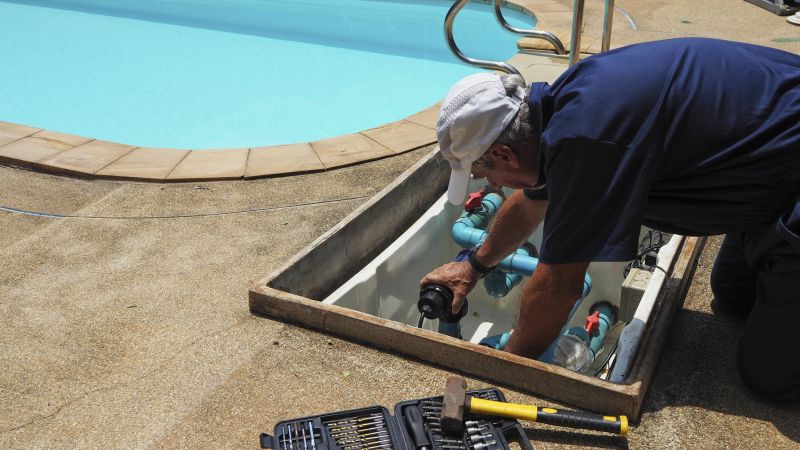
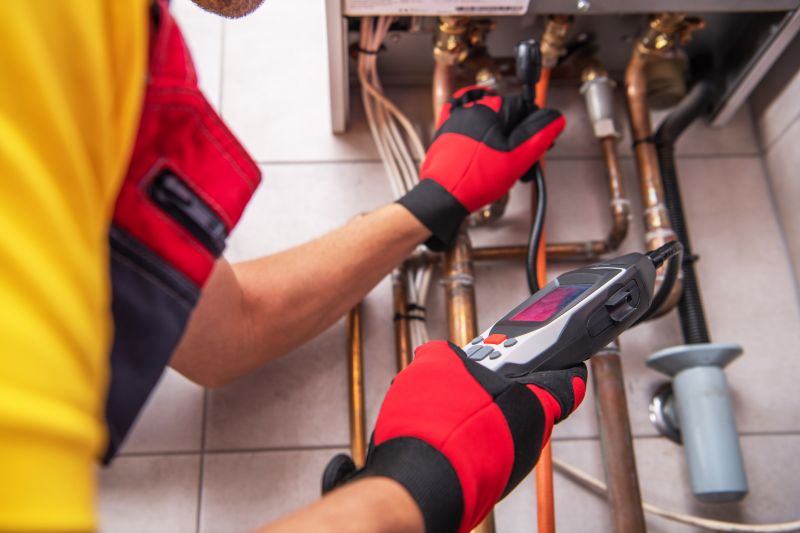
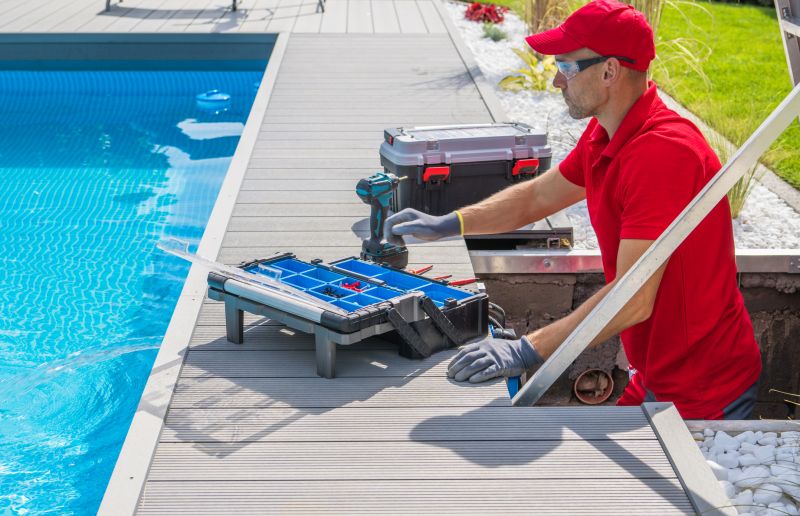
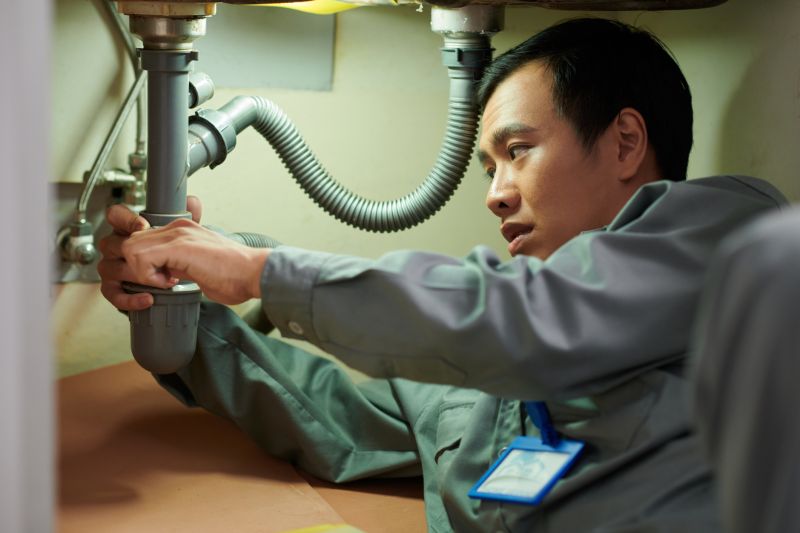
Compare local contractors' scope of work, experience, and written expectations to ensure consistency across providers.
- Scope Definition - Clearly outline the specific leak detection methods and areas to be inspected by local contractors.
- Experience Verification - Confirm the contractor’s experience with pool leak detection to ensure competence.
- Service Details - Specify what services are included, such as dye testing, pressure testing, or acoustic analysis.
- Written Agreement - Obtain a detailed scope of work and expectations in a written document before work begins.
- Comparison Criteria - Establish key factors to compare local service providers, such as scope coverage and methodology.
When comparing contractors for pool leak detection services, it is important to assess their experience with similar projects. Service providers who have handled a variety of leak detection situations are more likely to be familiar with different pool types, construction methods, and common issues. Inquiring about their background in resolving leaks in pools of comparable size and complexity can help ensure they have the practical knowledge needed to identify and address the problem effectively. A contractor’s track record with similar projects can provide insight into their expertise and ability to handle unique or challenging situations.
A clear, written scope of work is essential for setting proper expectations and avoiding misunderstandings. When evaluating service providers, look for detailed descriptions of the leak detection process, including the methods they plan to use and the steps involved. A well-defined scope should outline what is included and what is not, providing transparency and helping to establish a mutual understanding of the service. This documentation serves as a reference point throughout the project and can help ensure that both parties are aligned on the work to be performed.
Verifying the basics of how a contractor approaches leak detection can be a valuable step in the decision-making process. Ask about their process for confirming the presence of a leak, such as using dye tests, pressure tests, or electronic listening devices. Understanding their verification methods helps to gauge their thoroughness and reliability in confirming leak locations before proceeding with repairs. Service providers who follow systematic verification procedures are generally better equipped to accurately identify leaks and minimize unnecessary invasive work.
When evaluating options, it is helpful to consider how each contractor communicates and documents their approach. Look for service providers who are transparent about their methods, provide detailed written proposals, and are willing to answer questions about their process. Comparing how thoroughly they explain their approach and how clearly they outline the scope can help determine which contractors are professional and detail-oriented. This focus on clear communication and comprehensive documentation can contribute to a smoother, more predictable leak detection experience.
Ask contractors to provide written scope details to ensure clear understanding and consistent expectations for the job.
- Experience and Specialization - What experience do the local contractors have with pool leak detection?
- Detection Methods - What techniques or tools do the service providers use to identify leaks accurately?
- Scope of Services - What is included in the leak detection process, and are there any additional assessments?
- Warranty and Follow-up - Do the contractors offer any guarantees or follow-up services if the leak persists?
- Scope Clarification - How do the local service providers define the scope of work and set expectations in writing?
What should I consider when choosing a contractor for pool leak detection? It’s important to compare local contractors based on their experience, methods, and reputation. Verifying that they clearly define the scope of work and provide written estimates can help set expectations and ensure a smooth process.
How can I verify a contractor’s experience with leak detection? Ask for details about their past projects and the techniques they use. Checking references or reviews can also provide insight into their expertise and reliability in handling leak detection jobs.
Why is it important to define the scope of work in writing? Having a clear, written scope helps prevent misunderstandings about what is included in the service, ensuring both parties agree on the tasks to be performed and reducing potential disputes.
What questions should I ask a contractor before hiring for leak detection? Inquire about their experience, the methods they use to locate leaks, and how they plan to communicate findings. Clarifying these points helps ensure the contractor’s approach aligns with your expectations.
How can I compare different contractors effectively? Review their qualifications, experience, approach to leak detection, and the scope of services offered. Gathering written estimates and scope descriptions can make comparison easier and more transparent.
What role does communication play in the leak detection process? Clear communication ensures that you understand the scope, findings, and next steps. It also helps set realistic expectations and provides a record of what was agreed upon during the job.
By reviewing the information provided, visitors can better understand the importance of comparing local contractors for pool leak detection, including how to define the scope of work, verify experience, and establish clear expectations in writing. This approach helps ensure that the chosen service provider aligns with the specific needs of the project. Using the quote form allows for easy comparison of available options, making it simpler to connect with qualified service providers in the area.
Taking the time to evaluate different local contractors can lead to a more informed decision when selecting a pool leak detection service. The quote form offers a straightforward way to explore and compare options, helping to identify experienced service providers capable of handling the job. This process supports making a well-informed choice based on the details that matter most for the project.